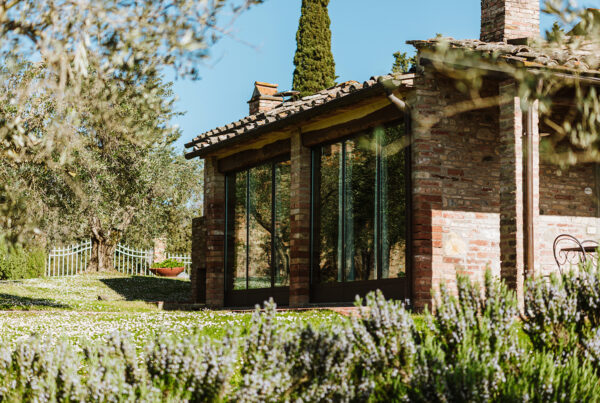
Tuscany is a region rich in history, art, and culture, with numerous UNESCO-recognized sites that testify to its invaluable heritage. Our agriturismo, strategically located, allows easy access to many of Tuscany’s most important UNESCO sites and museums. This way, you will discover an itinerary filled with history, art, and culture, perfect for those who wish to explore the wonders of this extraordinary land.
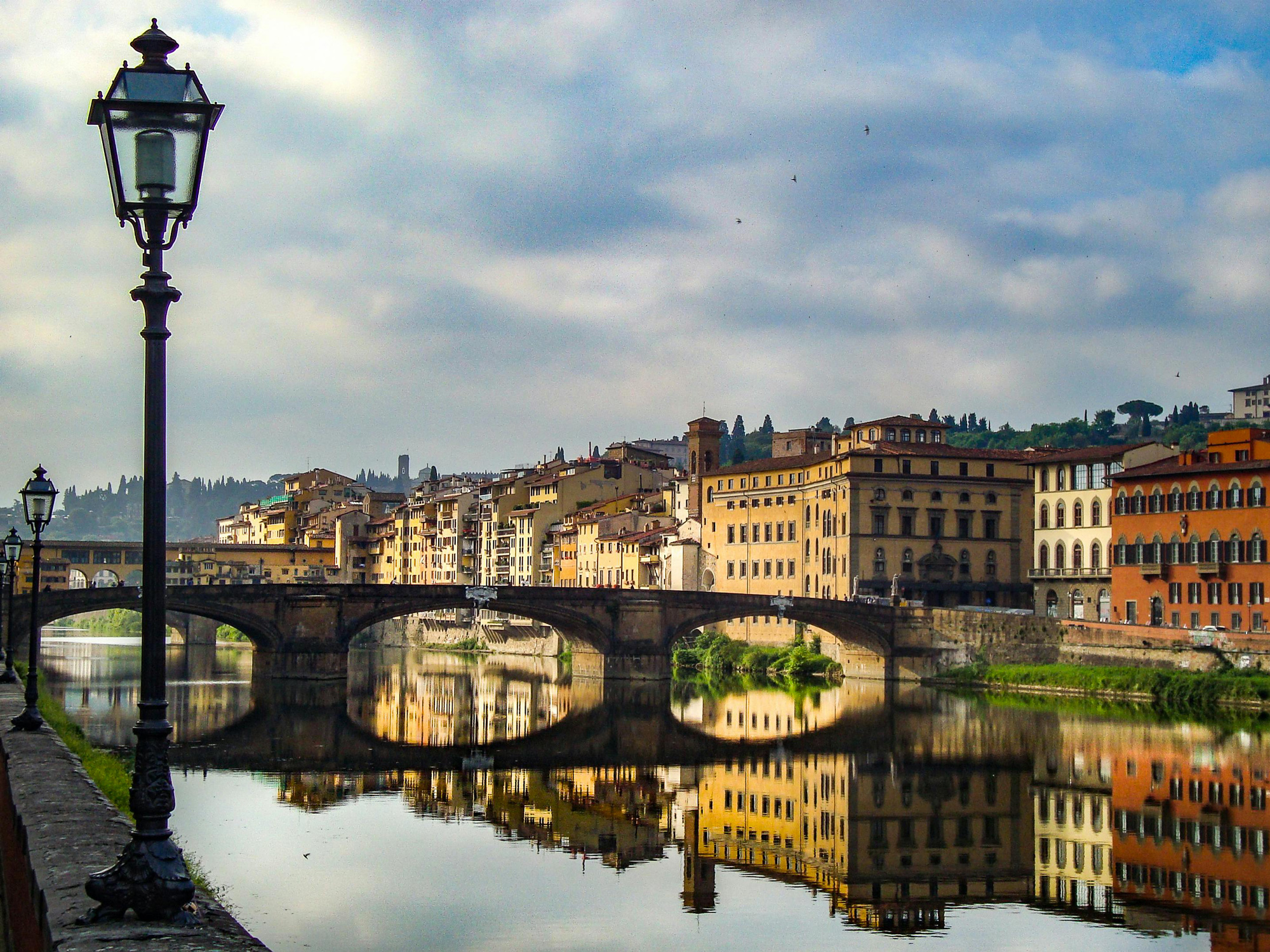
1. Historic Center of Florence
Florence, the heart of the Renaissance, is a treasure trove of art and culture. Its historic center is an open-air museum, where every corner tells stories of artists, architects, and thinkers who shaped the modern world.
- Uffizi Gallery: with works by Botticelli, Leonardo da Vinci, Michelangelo, and many others, it is a must-see for art lovers.
- Galleria dell’Accademia: home to Michelangelo’s famous “David,” it also offers a rich collection of Renaissance art.
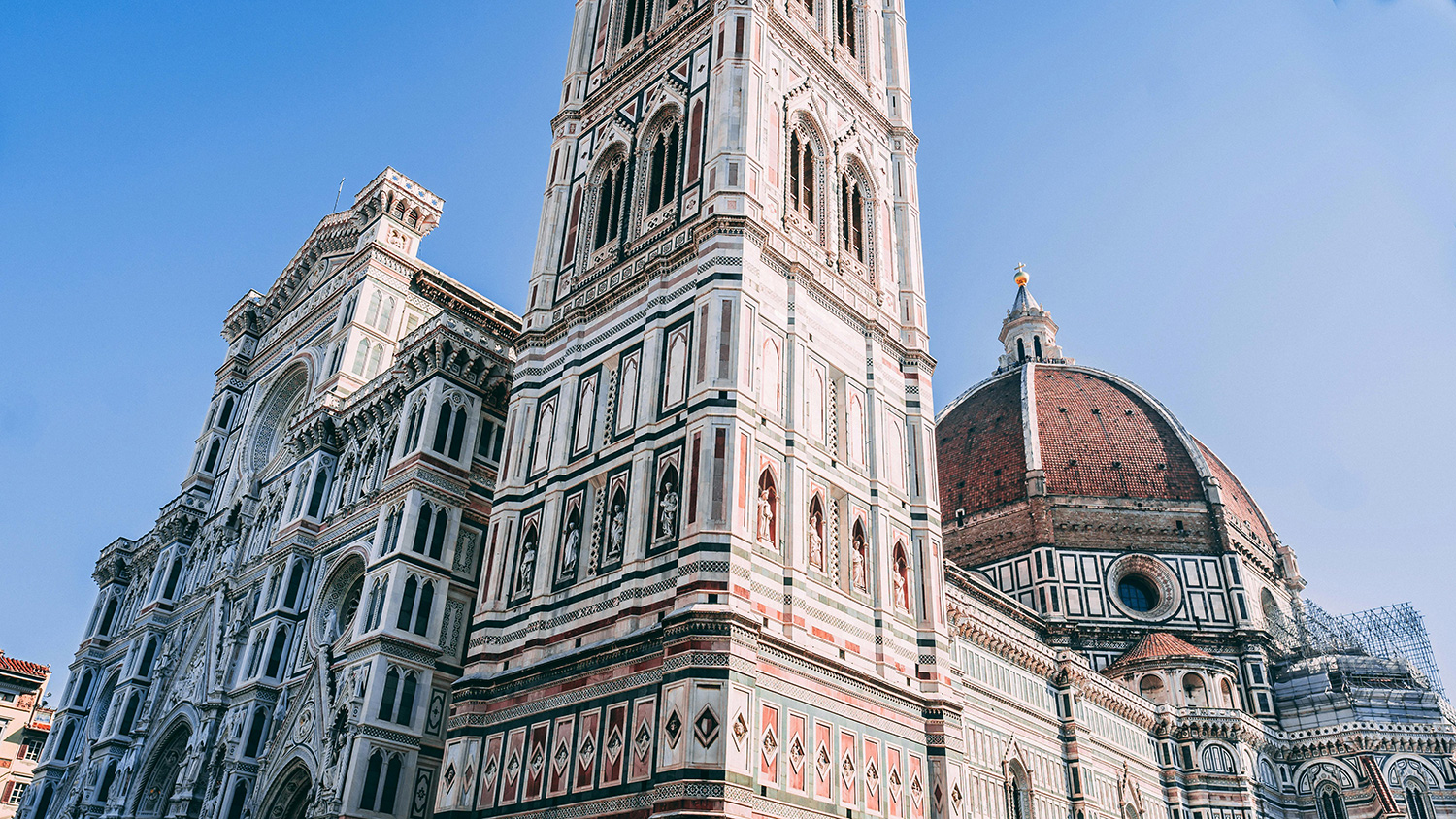
- The Duomo: with its majestic dome designed by Brunelleschi and Giotto’s Campanile, it is an undisputed symbol of Florence.
2. Historic Center of Siena
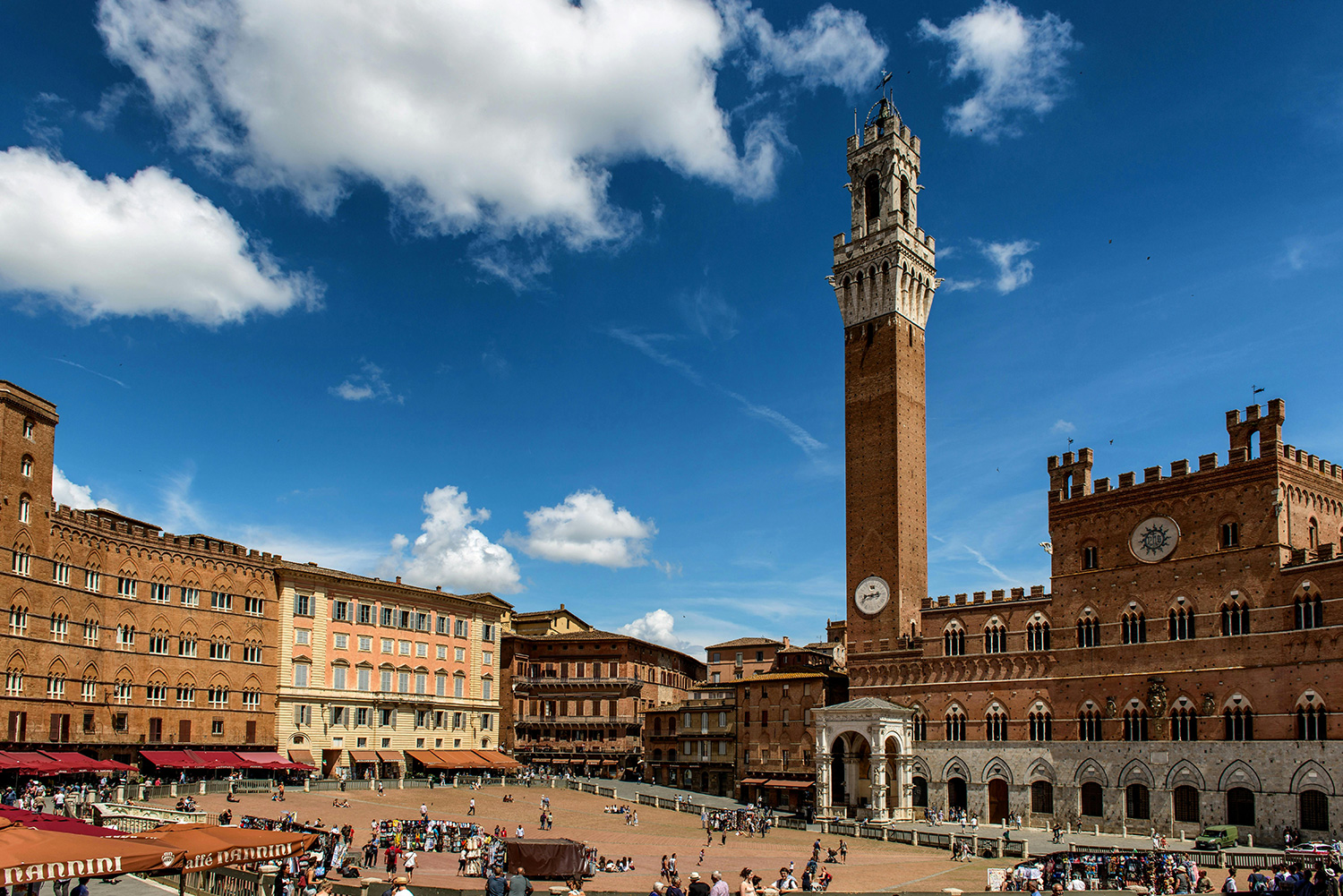
Siena is famous for its Gothic architecture and the Palio, one of the oldest and most spectacular horse races in the world. Its historic center is a perfectly preserved medieval jewel.
- Piazza del Campo: the main square of Siena, known for its shell shape and for hosting the Palio di Siena.
- Duomo di Siena: a masterpiece of Gothic architecture, with extraordinary interiors and the Piccolomini Library.
- Museo dell’Opera del Duomo: displays art related to the cathedral, including precious medieval artifacts.
3. Piazza dei Miracoli in Pisa
Pisa is world-renowned for its iconic Leaning Tower, but Piazza dei Miracoli offers much more.
- Leaning Tower: a symbol of the city and one of the architectural wonders of the world.
- Duomo di Pisa: an exceptional example of Romanesque architecture.
- Baptistery: the largest baptistery in Italy, with extraordinary acoustics.
- Camposanto Monumentale: an ancient monumental cemetery with frescoes and sculptures of great historical value.

4. Historic Center of San Gimignano
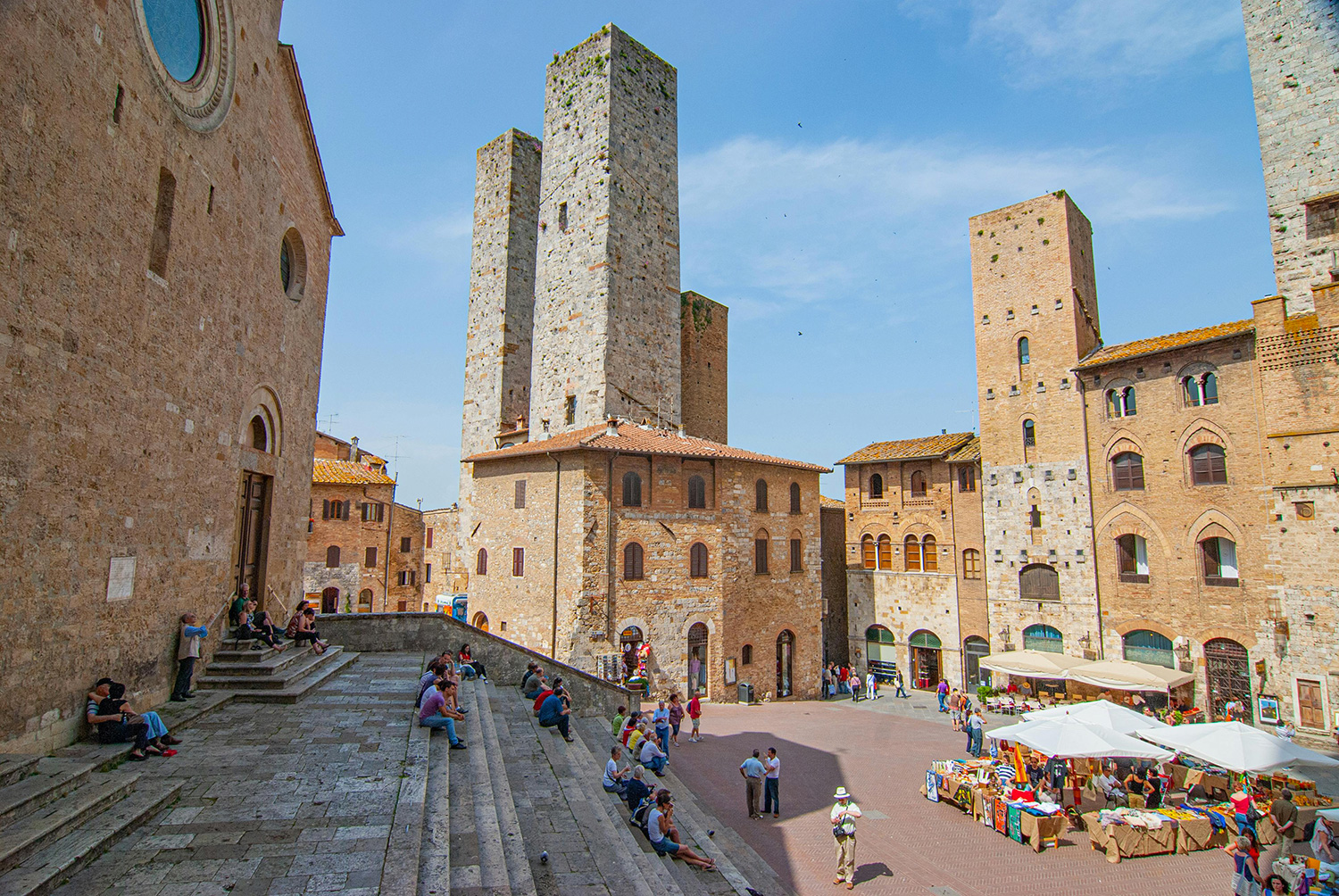
San Gimignano, known as the “Manhattan of the Middle Ages” for its towers that dominate the landscape, is a fascinating place to explore.
- Towers of San Gimignano: once numbering 72, today 13 remain, each telling a story of power and wealth.
- Civic Museum: located in the Palazzo del Popolo, it houses medieval and Renaissance frescoes and artworks.
- Duomo of San Gimignano: with its frescoes depicting biblical stories, it is a true painted book.
5. Historic Center of Pienza
Pienza is an extraordinary example of Renaissance urban planning, designed as an “ideal city” by Pope Pius II.
- Piazza Pio II: the heart of the city, with the Duomo and Palazzo Piccolomini.
- Duomo of Pienza: with its bright interior and artworks.
- Palazzo Piccolomini: with gardens overlooking the Val d’Orcia, offering a spectacular view of the Tuscan countryside.

6. Val d’Orcia
The Val d’Orcia is famous for its breathtaking landscapes, which have inspired artists and photographers from around the world.
- Pienza: already mentioned as a UNESCO site in its own right, it is the jewel of the Val d’Orcia.
- Montalcino: famous for its Brunello, it also offers an impressive fortress and panoramic views.
- Bagno Vignoni: a unique thermal village, with a large thermal pool at the center of the town.

7. Medici Villas and Gardens in Tuscany
These locations offer a glimpse into the life of the Medici family and their influence on Renaissance culture and art.
- Villa di Careggi: one of the first Medici villas, loved by Lorenzo the Magnificent.
- Villa di Castello: famous for its Italian gardens.
- Villa La Petraia: with a breathtaking view of Florence and interiors rich in history.
8. Must-See Museums in Tuscany
In addition to the museums already mentioned at UNESCO sites, Tuscany hosts numerous other highly important museums that are well worth a visit. Here’s a list of museums located in various Tuscan cities that you shouldn’t miss:
Florence
- National Museum of the Bargello: specializing in Renaissance sculptures, featuring masterpieces by Donatello, Michelangelo, and Verrocchio.
- Museum of San Marco: located in a former Dominican convent, preserving important works by Fra Angelico.
- Stibbert Museum: dedicated to arms and armor, with a vast collection of objects from around the world.
- Palazzo Pitti: a museum complex including the Palatine Gallery, the Museum of Fashion and Costume, and the Boboli Gardens.
- National Archaeological Museum: one of Italy’s richest archaeological collections, with Etruscan, Roman, and Egyptian artifacts.
- Museum of the Opera del Duomo: exhibits a rich collection of artworks related to the Florence Cathedral, including Ghiberti’s famous Gates of Paradise.
Pisa
- National Museum of San Matteo: houses one of Pisa’s most important collections of medieval and Renaissance art.
- Museum of Sinopie: located near the Piazza dei Miracoli, displays the sinopias (preparatory drawings) of the frescoes from the Camposanto Monumentale.
- Palazzo Blu: an exhibition center hosting temporary exhibitions and a permanent collection of local art and culture.
Siena
- Civic Museum: located in the Palazzo Pubblico, offers a vast collection of frescoes and artworks that tell the history of Siena.
- Museum of the Opera Metropolitana del Duomo: exhibits works related to the cathedral, including Duccio di Buoninsegna’s famous Maestà.
- Santa Maria della Scala: a former medieval hospital transformed into a museum complex with art and archaeological exhibitions.
Arezzo
- Museum of Medieval and Modern Art: located in Palazzo Bruni-Ciocchi, houses a collection of paintings, sculptures, and decorative arts from the Middle Ages to the 18th century.
- Casa Museo di Giorgio Vasari: the home of the famous artist and art historian, decorated with frescoes and artworks.
Lucca
- National Museum of Villa Guinigi: houses a vast collection of art and archaeological artifacts that tell the history of Lucca.
- National Museum of Palazzo Mansi: a Baroque palace exhibiting tapestries, paintings, and period furniture.
Livorno
- Giovanni Fattori Civic Museum: located in Villa Mimbelli, exhibits works by the Macchiaioli painter Giovanni Fattori and other 19th-century Tuscan artists.
- Museum of Natural History of the Mediterranean: a museum dedicated to the natural history and biodiversity of the Mediterranean.
Volterra
- Guarnacci Etruscan Museum: one of the most important Etruscan collections in Italy, featuring cinerary urns, sculptures, and jewelry.
- Pinacoteca and Civic Museum: houses paintings and sculptures from the Middle Ages to the Renaissance, including works by Rosso Fiorentino.
Prato
- Museum of Fabric: dedicated to the history and technology of textile production, a fundamental sector for the city’s economy.
- Luigi Pecci Center for Contemporary Art: an important museum of contemporary art hosting temporary exhibitions and a permanent collection.
Cortona
- Etruscan Academy Museum and City of Cortona (MAEC): exhibits Etruscan, Roman, and medieval artifacts, including the famous Etruscan Chandelier.
- Diocesan Museum: preserves sacred art, including paintings by Fra Angelico and Luca Signorelli.
Vinci
- Leonardo Museum (Vinci): dedicated to the life and works of Leonardo da Vinci, located in his hometown.
La Toscana è una terra che offre un viaggio affascinante attraverso secoli di storia, arte e cultura. Ogni sito UNESCO racconta una parte della ricca eredità di questa regione, offrendo esperienze uniche e indimenticabili. Vi invitiamo a scoprire questi luoghi straordinari e a vivere l’incanto della Toscana, dove ogni angolo racconta una storia.